
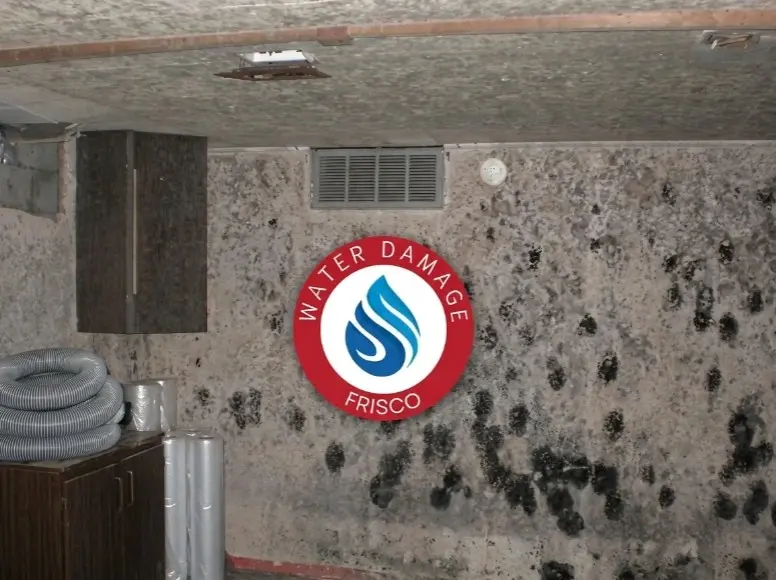
Mold Damage Restoration in Celina, TX — Signs, Risks & Solutions
Mold damage restoration in Celina, TX is about more than removing visible spots — it addresses a health hazard that often extends inside walls, under flooring, or through HVAC systems long before it becomes visible. This guide covers the warning signs, the health risks involved, how much restoration typically costs, what the process looks like step by step, and what proper mold damage restoration actually involves for a Celina property.
Why Celina properties are especially at risk: The area’s warm, humid climate combined with a high volume of new construction creates conditions where small, unnoticed moisture issues can turn into mold problems within days rather than weeks. Newer homes with tightly sealed building envelopes can also trap humidity indoors, giving mold an ideal environment even without an obvious leak.
Warning Signs You Need Mold Damage Restoration
- Visible dark spots or discoloration on walls, ceilings, or flooring
- A persistent musty or earthy odor that does not resolve with cleaning
- Allergy symptoms or respiratory issues that improve when you leave the property
- Recent water damage, flooding, or ongoing humidity issues
- Warped, bubbling, or discolored drywall or flooring
- Condensation collecting on windows, pipes, or in the attic
- A noticeable rise in indoor humidity that a dehumidifier can’t keep up with
Common Types of Household Mold
| Mold Type | Common Appearance | Health Concern Level |
|---|---|---|
| Cladosporium | Olive-green to brown, on fabrics and wood | Mild to moderate — allergy trigger |
| Penicillium | Blue-green, often on water-damaged materials | Moderate — respiratory irritant |
| Aspergillus | Gray-green with a powdery texture | Moderate to high, especially for immunocompromised residents |
| Stachybotrys (Black Mold) | Dark greenish-black, slimy texture | High — associated with the most severe respiratory symptoms |
Identifying the exact mold type usually requires lab sampling, which is why a visual inspection alone is never enough to confirm a property is safe.
Health Risks of Unaddressed Mold Damage
Mold spores can cause respiratory illness, allergic reactions, asthma attacks, chronic sinus infections, and headaches. Black mold (Stachybotrys) is particularly toxic. These risks are especially serious for children, elderly residents, and anyone with existing respiratory conditions, which is why mold damage in a Celina home should never be treated as a purely cosmetic issue. Prolonged exposure in enclosed spaces like bedrooms and home offices can gradually worsen symptoms that are easy to mistake for seasonal allergies or a lingering cold.
Why DIY Mold Cleanup Often Makes It Worse
Disturbing mold without proper IICRC-certified containment aerosolizes spores, spreading contamination throughout the rest of a Celina property rather than resolving it. DIY cleaning also fails to address mold hidden inside walls, under flooring, or in HVAC systems — the most common and serious locations for mold growth. Bleach and consumer sprays may lighten surface staining while leaving the mold’s root structure intact, which allows it to return within weeks.
The Mold Damage Restoration Process, Step by Step
- Inspection & testing: Thermal imaging, moisture meters, and air sampling identify all mold, visible and hidden, plus the moisture source feeding it.
- Containment setup: Negative air pressure barriers with HEPA-filtered exhaust isolate the affected area and prevent spore spread to the rest of the home.
- HEPA extraction: Industrial-grade HEPA vacuums and air scrubbers remove mold colonies from affected surfaces and the surrounding air.
- Antimicrobial treatment: EPA-registered solutions are applied to kill remaining spores and inhibit regrowth on treated surfaces.
- Material removal: Severely contaminated drywall, insulation, or flooring that cannot be safely cleaned is removed and disposed of properly.
- Drying & dehumidification: Commercial dehumidifiers bring humidity down to a level that no longer supports mold growth.
- Clearance testing: Post-remediation air quality sampling confirms the property meets safe air quality standards before the job is closed out.
How Much Does Mold Damage Restoration Cost in Celina?
Cost depends heavily on the extent of contamination, how much material needs to be removed, and whether the underlying moisture source (like a roof leak or plumbing failure) also needs repair. Small, isolated mold patches cost far less to remediate than mold that has spread behind walls or through an HVAC system. A proper on-site inspection is the only reliable way to get an accurate number, since online cost calculators can’t account for hidden contamination.
Mold Damage After Water Damage — A Common Combination
Many mold damage cases in Celina start with an unresolved water leak. If your property recently experienced water damage and you are now noticing musty odors or discoloration, the mold and the original water source both need to be addressed together to prevent the problem from recurring.
Preventing Mold Damage From Returning
- Keep indoor humidity below 50%, especially in bathrooms, kitchens, and laundry rooms
- Fix leaks — even small, slow ones — as soon as they’re discovered
- Ensure attic and crawl space ventilation is working correctly
- Clean and inspect HVAC ducts and drip pans on a regular schedule
- Use exhaust fans during and after showers or cooking
🚨 Notice signs of mold damage in your Celina, TX property?
Call Now: +1(945)297-3238Frequently Asked Questions
Related Resources for Celina, TX Residents
If you suspect mold damage in your Celina property, do not wait for it to spread further. Our IICRC S520-certified team is available 24/7 for inspection and remediation.
Call our Celina team now for immediate help:
+1(945)297-3238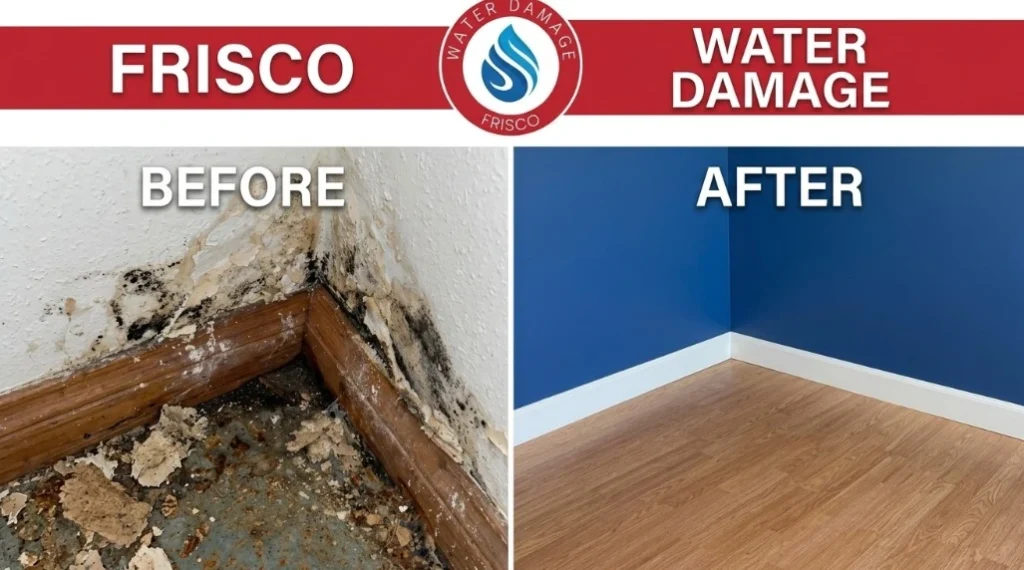
If you’re located in Celina, TX and dealing with water intrusion, our Celina water damage restoration team offers the same 60-minute emergency response with direct insurance billing.