
Black Mold vs Regular Mold — What Celina, TX Homeowners Need to Know
Not all mold in a Celina property is equally dangerous, but visually telling black mold apart from other common household mold is unreliable — and getting it wrong can mean underestimating a serious health risk. This guide breaks down the 5 real differences between black mold and other mold types, and explains why professional identification matters more than color alone.
Important: Color is not a reliable way to identify black mold. Several common, less dangerous mold species also appear dark or black. Lab testing is the only definitive way to confirm mold species.
5 Key Differences Between Black Mold and Regular Mold
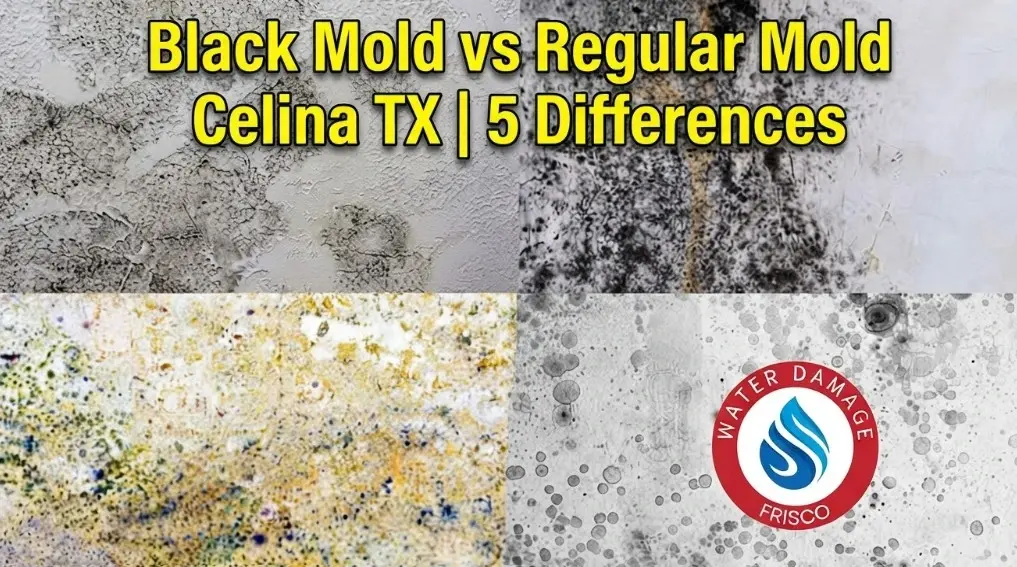
Black mold (Stachybotrys) typically looks dark greenish-black and slimy or wet when actively growing. Regular household mold varies much more — it can appear black, green, white, orange, or gray depending on the species, which is exactly why sight alone cannot confirm which type you have.
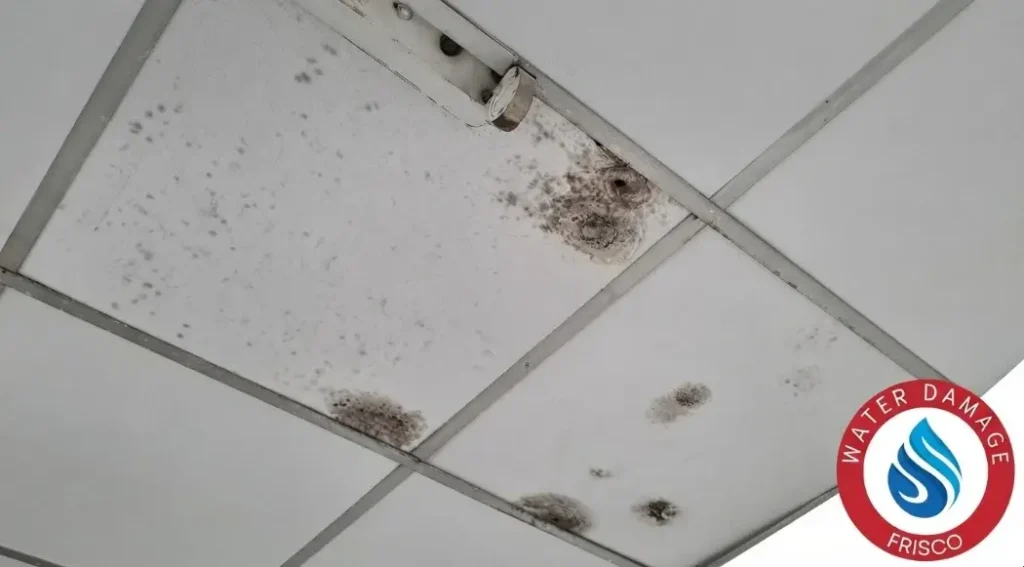
Black mold needs prolonged, heavy moisture and cellulose-rich materials like drywall paper, wood framing, or ceiling tiles — usually the result of a slow leak or flood that went unaddressed for days. Regular household mold is far less picky and can establish itself on grout, fabric, or window sills with much less moisture exposure.
Black mold exposure is more strongly linked to severe respiratory symptoms and, in sensitive individuals, neurological complaints. Regular household mold more commonly causes milder allergy-type symptoms such as sneezing, watery eyes, or mild congestion.
Because black mold favors damp, enclosed cavities, it often spreads inside wall assemblies before it is visible on the surface. Regular household mold tends to grow more visibly on exposed surfaces, which is often why it gets noticed and addressed sooner.
Black mold typically requires strict IICRC S520 containment, negative air pressure, and full removal of affected porous materials. Regular household mold still requires professional remediation, but the scope and containment level may be smaller depending on the affected area.
Black Mold vs Regular Mold at a Glance
| Black Mold (Stachybotrys) | Regular Household Mold | |
|---|---|---|
| Appearance | Dark greenish-black, often slimy when wet | Can be black, green, white, or gray — appearance varies widely |
| Growth conditions | Requires prolonged moisture and cellulose-based materials (drywall, wood) | Grows on a wider range of surfaces with less specific conditions |
| Health risk level | Higher — associated with more severe respiratory and neurological symptoms | Generally causes milder allergy and respiratory symptoms |
| Spread pattern | Often hidden inside wall cavities before surface signs appear | Usually visible on exposed surfaces sooner |
| Remediation approach | Requires strict IICRC S520 containment and often full material removal | Still requires professional remediation, though scope may be smaller |
Why You Cannot Identify Black Mold by Sight Alone
Several common, far less dangerous mold species also appear dark or black, including certain strains of Cladosporium and Alternaria. This means a homeowner spotting dark mold in a Celina property cannot reliably know whether it is Stachybotrys or a milder species without laboratory testing. Assuming it is “just regular mold” without testing is a common and risky mistake.
What Causes Black Mold to Develop in Celina Homes
Black mold needs sustained moisture to establish itself, so it typically shows up after conditions like a slow roof leak, a burst pipe that went unnoticed, poor bathroom ventilation, or flooding that was not fully dried within 24–48 hours. North Texas humidity swings, combined with older HVAC ductwork in many Celina homes, can also create the kind of trapped moisture black mold favors.
Health Risks: Black Mold vs Regular Mold
Both types of mold can cause respiratory symptoms, allergic reactions, and irritation. Black mold is more strongly associated with severe reactions, including chronic sinus infections, persistent headaches, and in some sensitive individuals, more serious neurological symptoms. Regardless of species, if anyone in the household is experiencing symptoms that improve when away from the property, professional remediation should not be delayed while waiting to identify the exact mold type.
Why Remediation Should Be the Same Priority Either Way
While the health risk level can differ, the remediation approach for any significant mold growth in a Celina property should follow the same IICRC S520-certified process — containment, HEPA extraction, antimicrobial treatment, and post-remediation air quality testing. Treating “regular mold” less seriously than black mold is a common mistake that allows a smaller problem to spread further. Our mold remediation services follow this standard for every job, regardless of mold type.
When to Get Mold Tested
If you want to know specifically whether mold in your Celina property is Stachybotrys, professional air or surface sampling sent to a lab is the only reliable method. This is most useful for post-remediation clearance confirmation or when no visible mold is present but symptoms suggest hidden contamination.
Preventing Black Mold and Regular Mold Growth
- Fix leaks — roof, plumbing, or appliance — within 24–48 hours to prevent mold colonization
- Keep indoor humidity below 50% using AC and dehumidifiers, especially during humid Texas summers
- Run bathroom and kitchen exhaust fans during and after showers or cooking
- Inspect under sinks, around water heaters, and behind appliances periodically for hidden leaks
- Clean and dry any water intrusion within 24 hours to stay ahead of mold growth
🚨 Not sure what type of mold you’re dealing with in Celina, TX?
Call Now: +1(945)297-3238Frequently Asked Questions
Related Resources for Celina, TX Residents
Whether it is black mold or another species, professional remediation is the safest path forward for your Celina property. Our IICRC S520-certified team is available 24/7 for inspection and remediation.
Call our Celina team now for immediate help:
+1(945)297-3238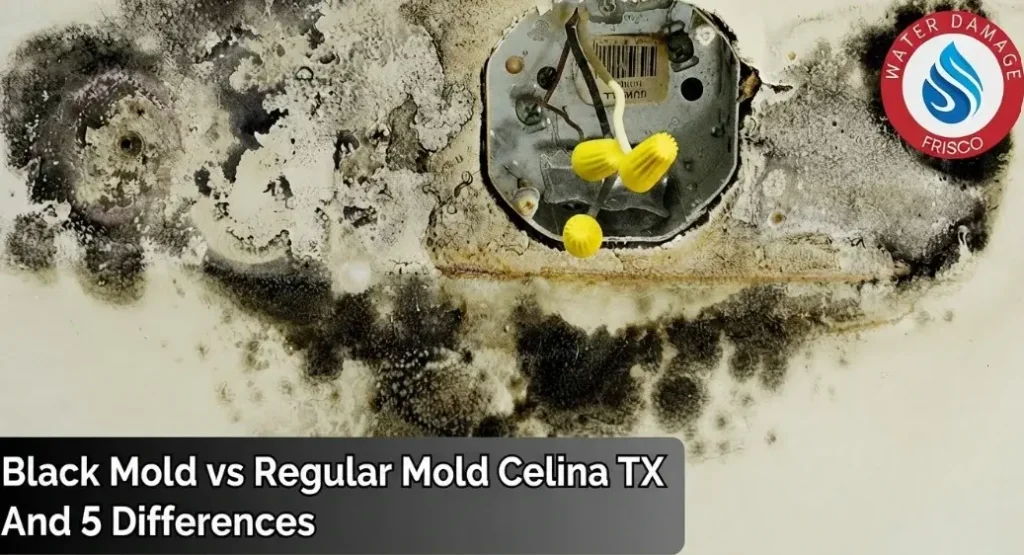
Related Reading
If you’re located in Celina, TX and dealing with water intrusion, our Celina water damage restoration team offers the same 60-minute emergency response with direct insurance billing.