
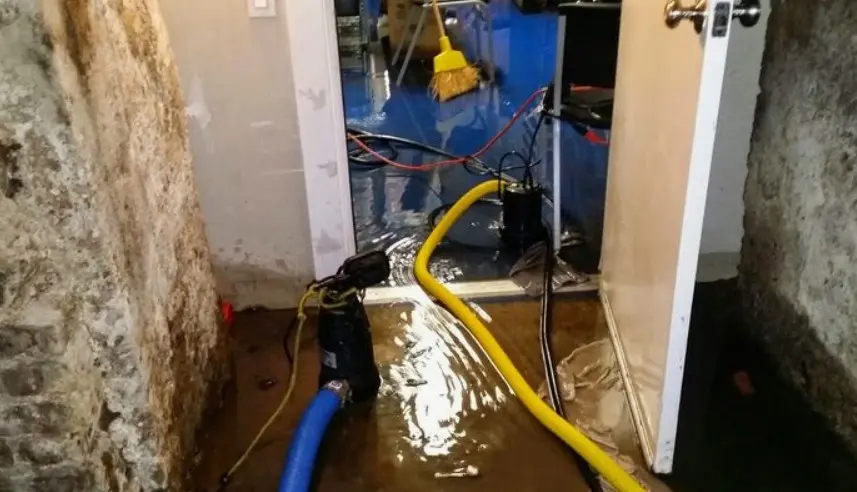
Noticing HVAC problems after water damage Frisco TX? Your heating and cooling system is one of the most overlooked casualties of any water damage event. Water Damage Frisco is a locally based, IICRC S500 certified restoration company serving Frisco TX and all of North Texas. This guide explains exactly how water damage affects your HVAC system, the warning signs to watch for, why running the system after a flood is dangerous, and the full decontamination and restoration process.
Why HVAC Problems After Water Damage Are Dangerous
Most homeowners focus on visible water — soaked flooring, wet drywall, damaged furniture — but the HVAC system is often the most dangerous part of a water damage event that goes unaddressed. According to the U.S. Environmental Protection Agency (EPA), HVAC ductwork that has been contaminated with mold can distribute spores to every room in the home every time the system operates, exposing occupants to indoor air quality problems long after the visible water damage has been cleaned up.
In Frisco TX and North Texas, where air conditioning runs for 8 to 10 months of the year, a contaminated HVAC system left unaddressed after a burst pipe, storm, or flood event becomes a year-round health and air quality hazard for the entire household.
Never Run Your HVAC After Water Damage: Turning on your heating or cooling system after any water intrusion event spreads contaminated air, moisture, and mold spores through every duct and register in the home. Shut the system off at the thermostat and main breaker immediately after any flood, burst pipe, or significant leak — and do not restart it until a certified restoration team has inspected and cleared the HVAC system.
Warning Signs of HVAC Problems After Water Damage
💨 Musty Odor From Vents
A persistent musty or earthy smell coming from registers when the system runs is one of the first signs of mold growth inside ductwork or on the evaporator coil after water exposure.
🤧 Increased Allergy Symptoms
If household members experience new or worsened sneezing, eye irritation, or respiratory symptoms that improve when they leave the home, mold contamination of the HVAC system is a likely cause.
🔇 Reduced Airflow From Registers
Water-damaged air filters and clogged evaporator coils significantly restrict airflow, causing uneven cooling or heating and making the system work much harder than normal.
❄️ AC Not Cooling Properly
A waterlogged or corroded evaporator coil loses its ability to transfer heat efficiently, causing the system to run constantly without reaching the thermostat set point.
⚡ System Fails to Start
Water intrusion into the air handler electrical controls, contactor, or circuit board can prevent the system from starting at all, or cause it to trip the breaker repeatedly when it tries.
💧 Visible Rust or Staining on Vents
Rust stains around supply or return registers indicate moisture inside the duct system, which is actively creating conditions for mold growth throughout the duct network.
How Water Damage Affects Each Part of Your HVAC System
| HVAC Component | How Water Damage Affects It | Typical Action Required |
|---|---|---|
| Air Filter | Saturated filters collapse, stop filtering, and become a mold substrate within hours | Immediate replacement — never restart with a wet filter |
| Evaporator Coil | Standing water or condensation overflow coats the coil in contaminants and mold | Professional coil cleaning or replacement |
| Air Handler Cabinet | Water pooling in the cabinet corrodes the drain pan, blower housing, and motor mounts | Cleaning, drying, and antimicrobial treatment |
| Blower Motor | Water reaching motor windings or bearings causes electrical shorts and premature failure | Motor inspection — replacement if water-exposed |
| Electrical Controls & Circuit Board | Control boards and contactors corrode rapidly after water exposure, causing intermittent failure or full lockout | Board inspection and replacement if compromised |
| Supply & Return Ductwork | Flexible ducts absorb moisture and grow mold on inner liner; sheet metal ducts develop rust and mold on inner surface | Professional duct cleaning and antimicrobial treatment |
| Condensate Drain Line | Flood debris blocks the drain line, causing future condensate overflow and secondary water damage | Drain line flush and clear |
Our 7-Step HVAC Assessment & Decontamination Process
The first action after any water damage event is shutting the system off completely to prevent spreading contaminated air through the duct system before assessment begins.
Call (945)297-3238 for 24/7 dispatch. Our team arrives with a 60-minute average response to begin water extraction and HVAC assessment simultaneously.
Our technicians inspect the air handler, evaporator coil, ductwork, blower motor, and electrical controls for water exposure depth, mold presence, and component damage.
Saturated air filters are removed and disposed of immediately. The evaporator coil is professionally cleaned or flagged for replacement if corrosion or mold penetration is found.
All supply and return ductwork is cleaned and treated with EPA-registered antimicrobial solution to eliminate mold contamination — the same process used in our smoke and soot cleanup duct decontamination service.
Wall cavities, ceiling spaces, and mechanical room areas around ductwork are fully dried with industrial dehumidifiers as part of the overall water damage restoration timeline to prevent secondary mold growth from re-entering the clean duct system.
Post-remediation air quality testing confirms the duct system is clean and mold spore counts are within safe limits before the system is returned to normal operation.
What NOT to Do With Your HVAC After Water Damage
- 🚫Do not turn the system on to “dry out” the home after water damage — this spreads mold spores and moisture to every room through the ductwork.
- 🚫Do not replace only the air filter and assume the system is safe — filters trap visible particles but water damage to coils, motor, and ductwork requires full professional inspection.
- 🚫Do not ignore musty odors from vents after water damage — this is an active sign of mold inside the duct system that worsens every time the unit runs.
- 🚫Do not restart the system without electrical clearance — water in electrical controls can cause shorts, tripped breakers, or fire risk if power is restored before drying is confirmed.
- 🚫Do not skip duct inspection even if visible water did not reach the air handler — burst pipes inside walls can saturate duct insulation and liner without any visible sign at the registers.
HVAC Problems and Mold — The Hidden Connection
One of the most serious HVAC problems after water damage Frisco TX homeowners face is mold inside the duct system. Mold growth on the inner duct liner, evaporator coil, or air handler insulation can persist invisibly for months, distributing spores throughout the home. If occupants experience respiratory symptoms, allergy flare-ups, or persistent musty odors after a water damage event, the HVAC system should be inspected before any other cause is assumed.
Read our full mold after water damage guide for the complete risk timeline, and our mold remediation near me guide if mold has already been confirmed inside your system or living spaces.
Insurance Coverage for HVAC Damage: Standard Texas HO-3 homeowners policies typically cover HVAC damage caused by a sudden, covered water event — including duct cleaning, coil cleaning, and air handler repair or replacement. Document the connection between the water damage event and the HVAC damage clearly in your claim. See our Texas insurance claim guide for documentation tips.
HVAC Problems After Water Damage — Residential vs Commercial
🏠 Residential HVAC Water Damage
- Central AC air handler flooding from burst pipes
- Evaporator coil mold after attic or ceiling leak
- Duct contamination after crawl space flooding
- Condensate overflow causing secondary ceiling damage
- Mini-split indoor unit water intrusion
🏢 Commercial HVAC Water Damage
- Rooftop unit flooding after storm damage
- VAV box and ductwork contamination after pipe burst
- Server room and data center cooling unit damage
- Multi-floor HVAC system decontamination
- See our commercial water damage restoration page
All Water Damage Services Near Frisco TX
HVAC Water Damage — North Texas Cities We Serve
Water Damage Frisco provides IICRC S500 certified water damage restoration including HVAC assessment and decontamination across the entire DFW North Texas area:
Related Resources
FAQ — HVAC Problems After Water Damage Frisco TX
HVAC Problems After Water Damage in Frisco TX? Call Now — We’re Ready 24/7
Water Damage Frisco is an IICRC S500 certified water restoration company. 24/7 emergency response, 60-minute arrival, complete insurance documentation. Serving Frisco, Plano, McKinney, Allen, Prosper, The Colony, and all North Texas.
About Water Damage Frisco
Water Damage Frisco is a locally owned and operated IICRC-certified restoration company based in Frisco TX, specializing in water damage restoration, mold remediation, fire damage restoration, and emergency restoration services for residential and commercial properties across the entire DFW North Texas area.
Our technicians are IICRC certified to S500 and S520 standards and work directly with all major insurance carriers. Learn more on our IICRC certification page.
📍 5000 Preston Rd Suite 200, Frisco TX 75034 | 📞 (945)297-3238 | ✉️ info@waterdamagefrisco.org
Related Reading
Related Reading
Need help right now? See our full guide to water damage restoration in Frisco, TX for emergency response, services, and coverage across the city.