
The Word “Flood” Has a Legal Definition, and It’s Not What You’d Guess
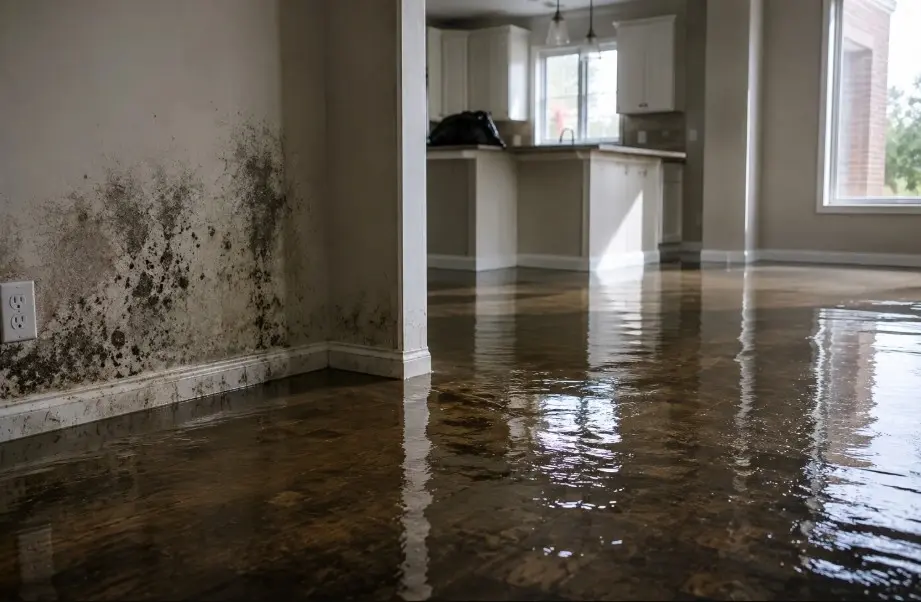
Two homes on the same North Texas street can have water damage that looks identical, and end up covered by two completely different types of insurance, or one covered and one not. The difference usually isn’t how much water got in, how it looked, or how bad the damage was. It’s a specific, technical definition set by the federal government that has almost nothing to do with common sense.
Here’s the actual legal line between “water damage” and “flood damage,” straight from the National Flood Insurance Program’s definition, and why it matters more than almost anything else when a claim is on the line. If you’re dealing with active damage right now, our flood damage restoration team in Frisco can help you sort out which category applies while the water is still being addressed.
Not sure which type of damage you’re dealing with? Get a professional assessment today.
Call (945) 297-3238FEMA’s Official Definition of “Flood”
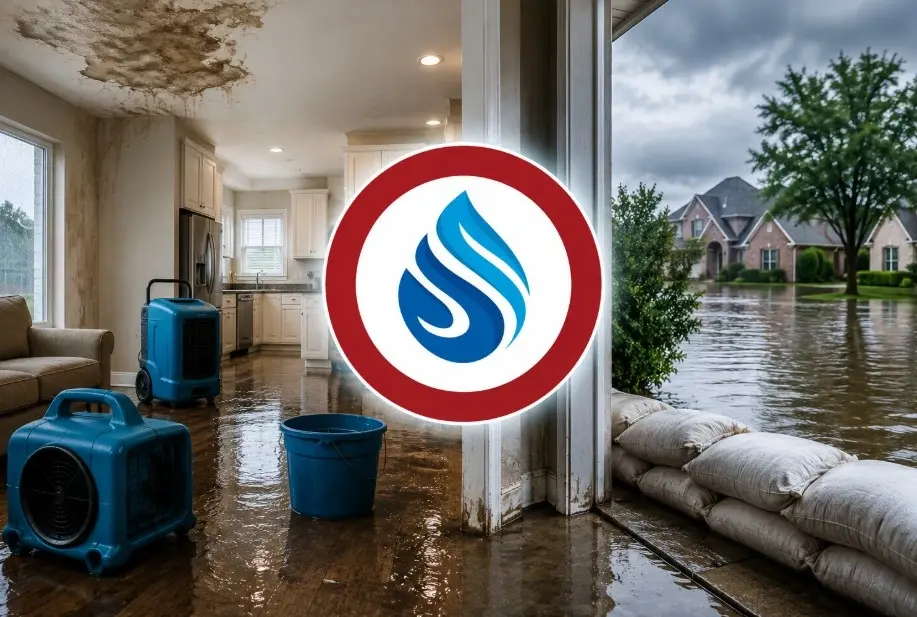
According to the National Flood Insurance Program’s official definition, a flood is a general and temporary condition of partial or complete inundation of two or more acres of normally dry land, or two or more properties (at least one of which is the policyholder’s), resulting from overflowing water, rapid surface water runoff, or mudflow.
Read that again. The definition isn’t about how much water entered your house. It’s about how much land or how many properties were affected. A foot of water covering your yard alone, contained entirely to your property, may not technically meet the NFIP definition of a flood at all, while the exact same foot of water, if it also covered your neighbor’s yard because a nearby creek overflowed, does.
Why This Distinction Decides Which Policy Pays
This matters because standard homeowners insurance and NFIP flood insurance are built to cover different things, and they don’t overlap the way most people assume:
- Homeowners insurance typically covers water damage from a sudden, accidental, internal event, such as a burst pipe, a washing machine hose failure, or a water heater rupture, as long as it’s not classified as flood damage under the NFIP definition. See our guide on filing a water damage insurance claim in Texas for the general process.
- NFIP flood insurance covers water that meets the technical flood definition above, meaning broader, external water events involving multiple properties or acres, typically from overflowing waterways, storm surge, or widespread surface runoff. Our hurricane and flood insurance guide breaks down what a standalone flood policy usually includes.
This is exactly why a homeowner can be denied by their homeowners insurer, told “that’s flood damage, not covered,” and simultaneously be denied by an NFIP policy if they don’t have one, or find the claim disputed if the water source doesn’t clearly meet the multi-property threshold. The gap between the two definitions is where a lot of North Texas homeowners discover they weren’t as covered as they assumed. Our breakdown of water damage categories can help you understand how adjusters classify a loss before the definitions above even come into play.
Confused about which policy applies to your situation? We document damage the right way for both.
Request an AssessmentHow Frisco’s Own Floodplain Rules Factor In
Frisco isn’t a passive bystander in this conversation. The city participates directly in FEMA’s flood program, which shapes what’s built where and what coverage may be required. According to the City of Frisco’s Stormwater Management page, Frisco participates in the National Flood Insurance Program and has adopted floodplain management ordinances that limit development within the 100-year floodplain, requiring new structures to be built two feet above the adjacent water surface elevation.
The city also tracks where local stormwater actually goes. Per the City of Frisco’s residents’ drainage information, the majority of Frisco’s stormwater flows into the Elm Fork of the Trinity River through several watersheds, which is part of why creek-adjacent neighborhoods see different flood exposure than properties farther from a waterway. Our Frisco flood zones guide maps out which local areas carry the highest exposure under these designations.
Real North Texas Scenarios Where This Gets Confusing
Scenario One: A storm drain backs up and floods just your backyard and garage.
If the water stayed contained to your property and didn’t affect neighboring land, this may not meet the NFIP’s “two acres or two properties” threshold, meaning it might not be classified as a flood at all, even though it clearly came from outside your home. Our storm damage restoration guide covers how this type of loss is typically handled.
Scenario Two: Heavy rain overwhelms a nearby creek, and water crosses several yards on your street, including yours.
This is much more likely to meet the NFIP definition, since it involves surface water affecting multiple properties from the same event. Our DFW storm flooding overview looks at how this plays out across the metroplex, and our storm season flood prep checklist can help you get ahead of it.
Scenario Three: A pipe bursts inside your home during the same storm.
This portion of the damage is typically a homeowners insurance matter regardless of what’s happening outside, since it’s an internal, sudden, accidental event, separate from whatever classification applies to any exterior water. See our burst pipe water damage guide and our page on slab leaks in Frisco for how these internal failures are usually addressed.
The same storm can produce all three of these simultaneously in one house, each potentially falling under a different type of coverage, which is part of why storm-related claims in North Texas often get more complicated than homeowners expect. Commercial property owners face a similar split; our commercial flood damage causes guide walks through how this shows up for businesses.
Every hour matters when the classification of your claim is still unclear.
Speak With Our Team NowWhy Documentation Matters More Here Than in a Simpler Claim
Because the classification hinges on specifics, such as how many properties were affected, where the water came from, and whether it was internal or external, the evidence you gather in the first hours after an event matters more than usual:
- Photograph the extent of water outside your property, not just inside. Evidence that neighboring yards or a wider area were affected supports a flood classification if that’s the relevant coverage.
- Note the water source as specifically as possible. “Water came in through the garage door from the yard” and “a pipe burst under the kitchen sink” are different claims, potentially under different policies, even if the resulting damage looks the same.
- Get a professional assessment early, particularly when a single event produced both internal and external water sources. A documented, itemized breakdown of what came from where supports filing correctly with each relevant policy rather than one denied claim with no clear path forward. Our guide on water extraction versus structural drying explains what that early-stage documentation typically covers.
If you’re also dealing with lingering moisture concerns, our post on what can be saved after flood damage and our breakdown of stagnant water health risks in Frisco are worth reviewing alongside your documentation process. Sewage-related complications carry their own risks too, covered in our sewage backup health risks guide.
Let us document the damage correctly from hour one, so your claim doesn’t stall later.
Schedule Documentation SupportWhat to Do If You’re Not Sure Which Applies to You
If you don’t currently carry NFIP flood insurance, it’s worth checking your risk directly. FloodSmart.gov’s flood risk lookup notes that nearly a third of NFIP claims over the past decade came from properties outside officially mapped high-risk flood zones, which is a meaningful reason not to assume “I’m not in a flood zone” means “I don’t need to think about this.”
Our Frisco flood zones guide breaks down local zone designations in more detail, and you can get a rough sense of what restoration might cost either way using our water damage cost calculator. If mitigation work is already underway, our post on whether insurance covers water mitigation is a useful next read.
When Water Damage Involves Both Categories
Because storms in North Texas frequently produce a mix of internal and external water sources in the same event, our flood damage restoration and flood restoration teams document affected areas with this exact distinction in mind, noting what came from where and how far it extended, so you have the evidence needed regardless of which policy or policies end up covering different parts of the damage.
If your situation started with standing water outside before it reached the house, our general water damage insurance claim guide covers the broader claims process this distinction sits inside of. This kind of dual-category damage shows up across the entire DFW metroplex we serve, including Frisco, McKinney, Plano, Allen, Prosper, Celina, Little Elm, The Colony, Carrollton, Oak Point, Dallas, and Rockwall. Restoration costs also vary by how the claim ultimately gets classified; see our Frisco restoration cost guide for a general sense of what to expect.
Serving all 12 DFW-area cities with documentation built for exactly this kind of split claim.
Get Help in Your CityFrequently Asked Questions
No. “Flood” has a specific federal definition tied to how much land or how many properties were affected, not simply how much water entered a building. Water damage from an internal source like a burst pipe is typically a separate category from flood damage entirely, even when the visible result looks similar.
Not necessarily. The NFIP definition requires either two or more acres of normally dry land or two or more properties to be affected. Water contained entirely to a single property may not meet that technical threshold, even though it clearly wasn’t a plumbing failure.
Yes, and this is common in North Texas. A single storm can cause both an internal water failure, covered by homeowners insurance, and external flooding meeting the NFIP definition, covered by flood insurance, each requiring separate documentation and potentially separate claims.
It’s worth considering. Roughly a third of NFIP claims over the past decade came from properties outside mapped high-risk zones, so being outside a designated flood zone reduces risk but doesn’t eliminate it.
It can affect your risk exposure and insurance requirements rather than the claim classification itself. Frisco participates in FEMA’s National Flood Insurance Program and enforces local floodplain building standards, which is a separate layer from how your specific claim gets classified as water damage or flood damage.
Don’t Let a Technical Definition Cost You Your Claim
Whether an event counts as “flood” under federal rules can determine which policy actually pays, and getting that classification right starts with how the damage is documented from the first hour. If you’re dealing with water damage and aren’t sure which category it falls into, our team can help across Frisco and the entire DFW metroplex.
Call now for a same-day assessment across Frisco and the DFW metroplex.
Call (945) 297-3238Sources
- FEMA, Official Definition of Flood
- FloodSmart.gov (FEMA’s National Flood Insurance Program), What Is My Flood Risk
- City of Frisco, Stormwater Management
- City of Frisco, Residents: Drainage and Watersheds
Water Damage vs Flood Damage Frisco TX: Insurance Coverage Differences Explained
Need help right now? See our full guide to water damage restoration in Frisco, TX for emergency response, services, and coverage across the city.