
How to Prevent Mold After Water Damage | Complete Frisco Homeowner Guide (2026)
Water damage is one of the leading causes of mold growth in homes, especially in humid areas like North Texas. Once moisture enters walls, flooring, or insulation, mold can begin growing in as little as 24 hours. Without immediate action, the damage can spread quickly and become expensive to repair.
If your property in Frisco, TX has experienced flooding, leaks, or burst pipes, this expert guide explains exactly how to stop mold before it starts. Following official mold cleanup guidelines is crucial after flooding.
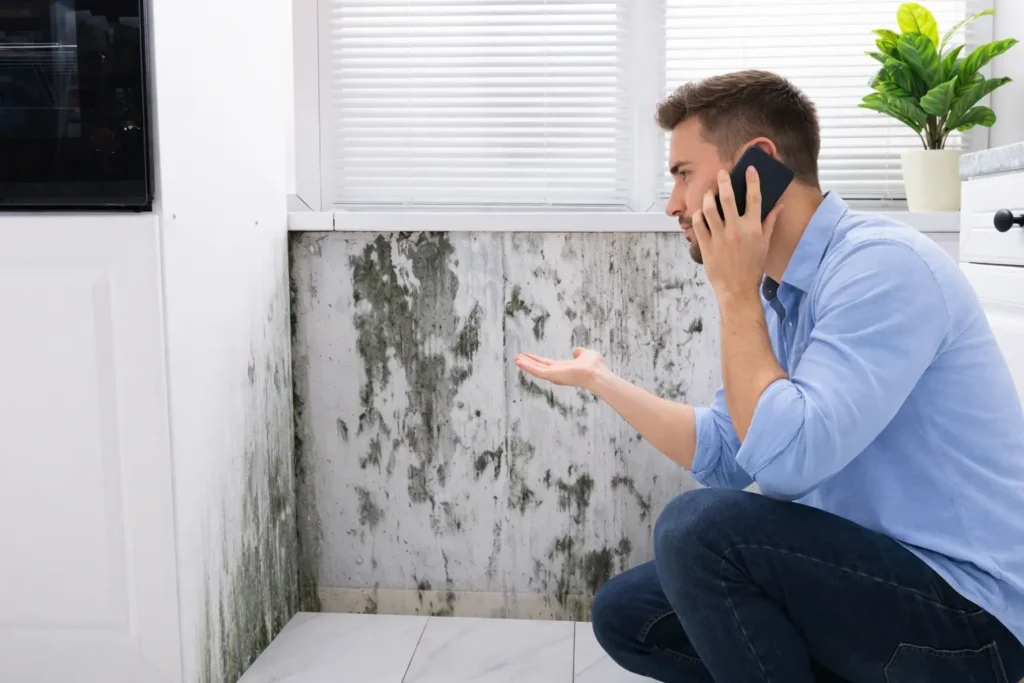
Why Mold Grows So Fast After Water Damage
Mold spores naturally exist in the air. When they land on damp surfaces with organic material (like wood or drywall), they multiply rapidly.
Conditions that accelerate mold growth:
- High indoor humidity
- Standing water
- Poor ventilation
- Warm temperatures
- Hidden moisture inside walls
Because these conditions are common after water damage, prevention must begin immediately.
Step-by-Step Mold Prevention After Water Damage
1. Remove Standing Water Immediately
Standing water creates the perfect breeding ground for mold and bacteria.
Use:
- Wet vacuums
- Pumps
- Professional extraction equipment
The faster water is removed, the lower the risk of mold colonization.
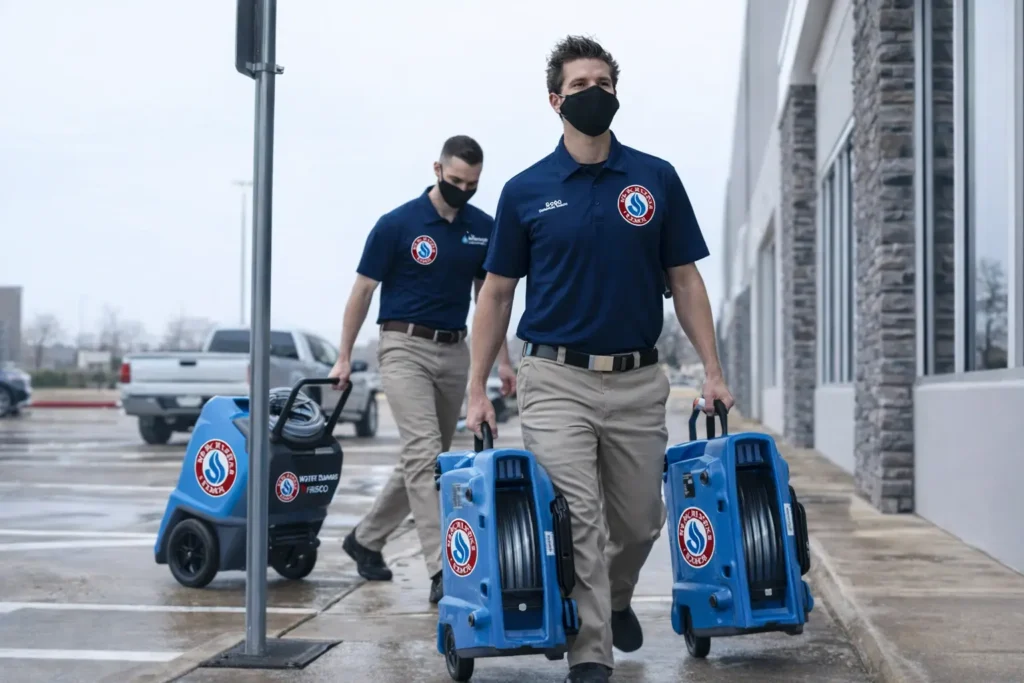
2. Dry the Structure Using Professional Equipment
Surface drying is not enough. Moisture trapped inside materials can still cause mold.
Key drying methods include:
- Industrial air movers
- Dehumidifiers
- Structural drying systems
- Moisture monitoring tools
Professional drying can reduce restoration time significantly.
3. Control Indoor Humidity Levels
Maintaining recommended indoor humidity levels below 50% is essential.
Effective humidity control methods:
- Run air conditioning continuously
- Use whole-home dehumidifiers
- Seal windows and doors
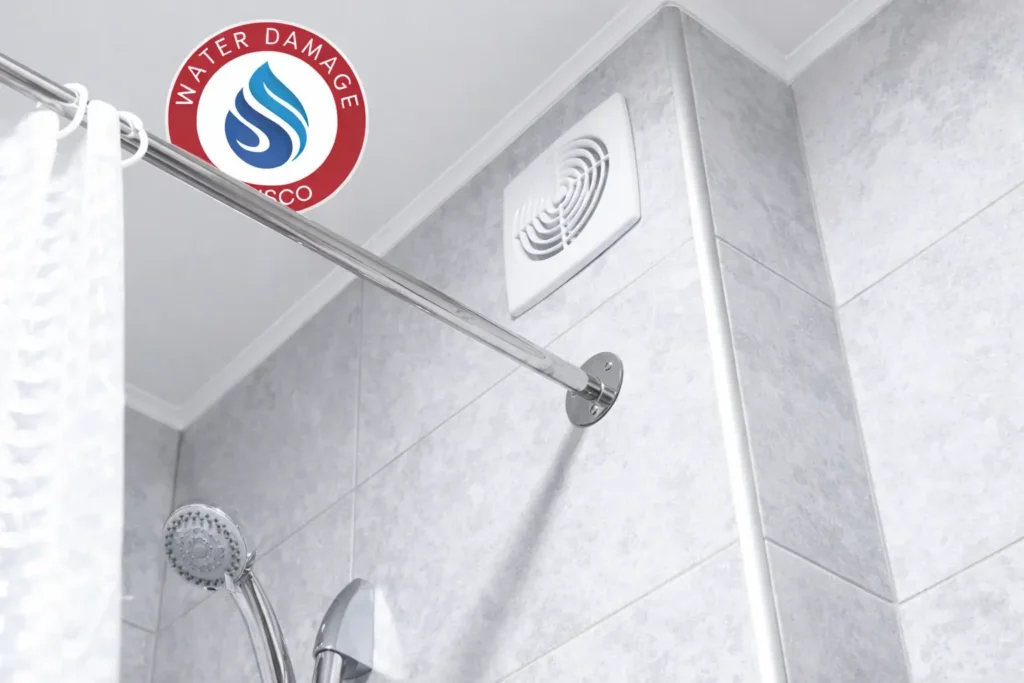
- Ventilate bathrooms and kitchens
Humidity control prevents spores from activating.
4. Remove Water-Damaged Materials
Some materials cannot be fully dried and must be replaced.
Common items that may require removal:
- Saturated drywall
- Insulation
- Ceiling tiles
- Carpets and padding
Removing compromised materials stops mold from spreading deeper into the structure.
5. Disinfect and Apply Antimicrobial Treatments
After drying, antimicrobial solutions eliminate remaining spores.
- EPA-approved disinfectants
- Mold inhibitors
- Preventive sealants
This step reduces the likelihood of future growth.
6. Inspect Hidden Moisture Zones
Mold often develops out of sight.
Critical areas to inspect:

- Behind baseboards
- Inside wall cavities
- Under flooring
- Attics and crawl spaces
- HVAC systems
Thermal imaging and moisture meters help detect hidden damage.
7. Schedule Professional Mold Prevention Services
DIY methods are often insufficient for major water damage incidents.
Professional restoration ensures:
- Complete moisture removal
- Structural safety
- Mold prevention treatments
- Indoor air quality protection
For immediate assistance in Frisco, TX:
Water Damage Frisco
5000 Preston Rd, Suite 200, Frisco, TX 75034
📞 +1 (945) 297-3238
🌐 https://waterdamagefrisco.org/
Signs Mold May Already Be Developing
Watch for early warning signs:
- Musty odors
- Discoloration on walls or ceilings
- Peeling paint
- Increased allergy symptoms
- Warped surfaces
Early detection can prevent costly remediation.
Health Risks of Mold Exposure
Prolonged exposure to mold can cause serious health effects:
- Respiratory problems
- Asthma attacks
- Skin irritation
- Headaches
- Fatigue
Children, elderly individuals, and people with weakened immune systems are most vulnerable.
When to Call Water Damage Professionals
You should contact restoration experts if:
- Water damage covers a large area
- Materials have been wet for more than 24 hours
- You suspect hidden moisture
- You notice mold growth
Rapid professional response minimizes long-term damage.
Final Expert Advice for Frisco Homeowners
Preventing mold after water damage requires immediate water removal, thorough drying, humidity control, and professional inspection. Acting within the first 24 hours is the most important factor in protecting your home and health.
FAQs
1. How fast can mold grow after water damage?
Mold can begin growing within 24 to 48 hours in moist conditions.
2. Can I prevent mold without professional help?
Minor cases may be handled with proper drying, but severe damage requires professionals.
3. What humidity level prevents mold growth?
Keeping humidity below 50% helps prevent mold.
4. Does insurance cover mold prevention?
Coverage depends on your policy and cause of water damage.
5. Is mold dangerous to health?
Yes, it can cause allergies, asthma, and respiratory problems.
6. What areas are most prone to mold?
Bathrooms, basements, kitchens, and areas with leaks.
7. Can mold grow behind walls?
Yes, hidden moisture often leads to concealed mold growth.
8. Should wet drywall be replaced?
If heavily saturated, replacement is recommended.
9. Do dehumidifiers help prevent mold?
Yes, they reduce moisture levels effectively.
10. When should I call restoration professionals?
Immediately after major flooding or widespread water damage.