
By Water Damage Frisco Experts | Updated: 2026 | 5000 Preston Rd, Suite 200, Frisco, TX 75034 | +1 (945) 297-3238
Overflowing sink and tub, or Toilet? Water is spreading across the floor. Every second counts. Whether it is your bathroom sink, kitchen sink, bathtub, or toilet, the wrong move in the next 60 seconds can turn a minor plumbing issue into thousands of dollars in water damage. This guide from Water Damage Frisco gives you fast, expert-verified steps to stop the overflow immediately, protect your home, and know when to call a professional water extraction service.
Part 1: Overflowing Sink And Tub, Bathroom or Kitchen
What Causes a Sink to Overflow?
A sink overflow almost always comes down to a blocked drain. Hair, grease, soap residue, and food particles are the main culprits. Over time, these materials build up inside the pipe until water has nowhere to go. Here are the most common causes:
- Hair and soap scum buildup in bathroom sink drains, one of the most frequent causes
- Grease or food waste accumulation in kitchen sink drains
- A broken or jammed garbage disposal blocking the drain
- A forgotten running faucet combined with a slow or clogged drain
- A blocked overflow hole (the small hole near the top of the sink basin) that fails to divert excess water
Pro Tip: Your sink has a built-in overflow hole near the top of the basin. This small opening is designed to redirect water when the sink is nearly full. However, if this hole is blocked with soap buildup or mineral deposits, it cannot do its job — and your sink floods faster. Clean this hole monthly with a small brush.
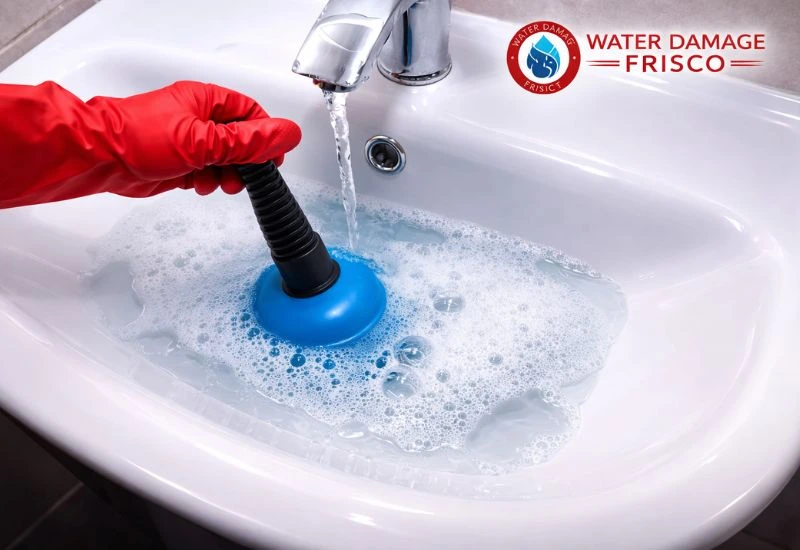
How to Fix a Flooded Sink | Step by Step
Follow these steps in order. Do not skip ahead:
Step 1 — Turn off the faucet immediately.
This stops water from adding to the overflow. Even if the clog is severe, stopping the water source gives you control.
Step 2 — Remove standing water from the sink.
Use a small bucket, large cup, or wet/dry vacuum. Removing the water first gives you better access to the drain and reduces the risk of spillage.
Step 3 — Attempt to clear the clog with a plunger.
Use a cup plunger (not a flange plunger, that is for toilets). Place it firmly over the drain, ensuring a tight seal, and push down and pull up rapidly 10-15 times. This pressure often dislodges soft clogs.
Step 4 — Check and clean the drain trap if the plunger fails.
Place a bucket directly under the curved pipe beneath the sink (the P-trap or drain trap). Unscrew the clean-out plug or loosen the slip nuts by hand or with pliers. Remove the trap, empty it into the bucket, and clear any blockage inside using a wire or drain snake.
Step 5 — Reassemble the drain trap and test.
Tighten all connections securely but do not overtighten (plastic threads strip easily). Run the faucet slowly and watch for leaks or slow drainage.
Step 6 — If water still drains slowly, use a drain snake.
Insert the snake into the drain opening and rotate it clockwise as you push it deeper into the pipe. This breaks up blockages further down the line.
Step 7 — Inspect for water damage.
Check the cabinet below the sink, the floor directly in front of it, and any adjacent walls. Water that seeps under cabinets or flooring can cause mold within 24-48 hours if not dried properly.
When to call a professional: Check the cabinet below the sink, the floor directly in front of it, and any adjacent walls. Water that seeps under cabinets or flooring can cause water damage in Frisco within hours if not dried properly. If you have cleared the P-trap and used a drain snake but the drain is still blocked, the clog is likely deeper in the pipe, possibly in the main drain line. This requires professional hydro-jetting equipment.
Part 2: Overflowing Bathtub — Causes, Risks & Fixes
A bathtub overflow is especially dangerous because it often goes unnoticed, you may be relaxing in the tub or have walked away with the faucet running. By the time water reaches the floor, it is already seeping through the subfloor and into the ceiling below.
Understanding Your Bathtub’s Overflow Drain
Most bathtubs have a built-in overflow drain, a circular opening located on the wall of the tub, near the top end (opposite the faucet). This drain is designed to catch water before it spills over the tub’s edge. It connects through an internal overflow tube that leads to the drain pipe below.
If this overflow drain or tube becomes damaged, clogged, or improperly sealed, water will bypass it entirely and spill over the tub without warning, often soaking the subfloor before you notice any surface water.
What Causes a Bathtub to Overflow?
- Clogged or faulty overflow drain, hair and soap residue block the opening over time
- Damaged overflow gasket, the rubber seal behind the overflow plate fails, allowing water to leak behind the wall
- Leaking or cracked overflow tube, the internal pipe connecting the overflow drain to the main drain develops a crack
- Faucet left running unattended, the most preventable cause
- Slow main drain, even if the overflow drain works, a severely clogged tub drain causes water to rise faster than the overflow can redirect it
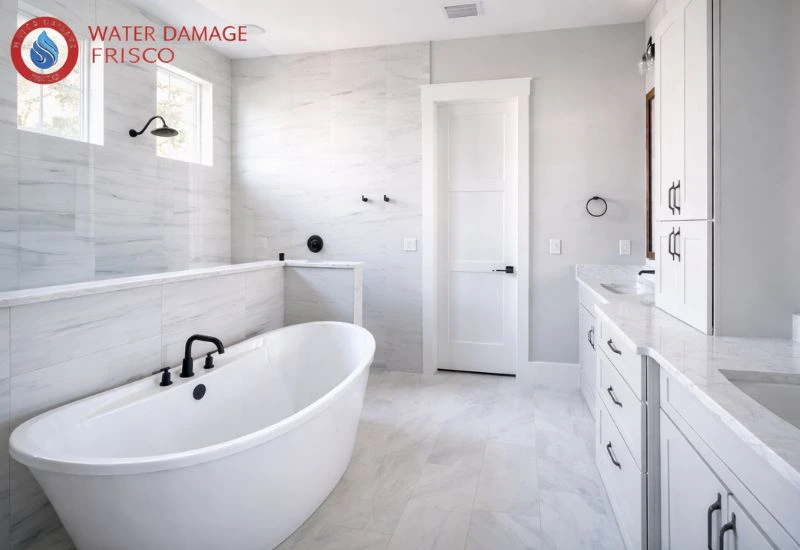
What to Do When Your Bathtub Is Overflowing
Safety first: If you are in the tub when it overflows, stand up slowly. Wet bathroom floors are extremely slippery, and a fall can cause serious injury. Hold onto the wall or towel bar as you step out.
Step 1 — Shut off the water supply immediately.
Turn the faucet handle to the off position. If the faucet is stuck or broken, locate the shut-off valves beneath the tub access panel or shut off the main water supply to the home.
Step 2 — Remove standing water from the bathroom floor.
Use towels, a mop, or a wet/dry vacuum. The faster you remove the water, the less chance it has to seep under tile grout and into the subfloor.
Step 3 — Inspect the overflow drain and gasket.
Remove the overflow plate (usually held by two screws) and check the gasket behind it. If the gasket is cracked, compressed, or missing, replace it, gaskets cost just a few dollars at any hardware store.
Step 4 — Clean the overflow drain opening.
Use a small brush to remove hair and soap buildup from the overflow drain. If the drain has a linkage assembly (common in lever-style drains), pull it out carefully and clean the stopper.
Step 5 — Check the main tub drain.
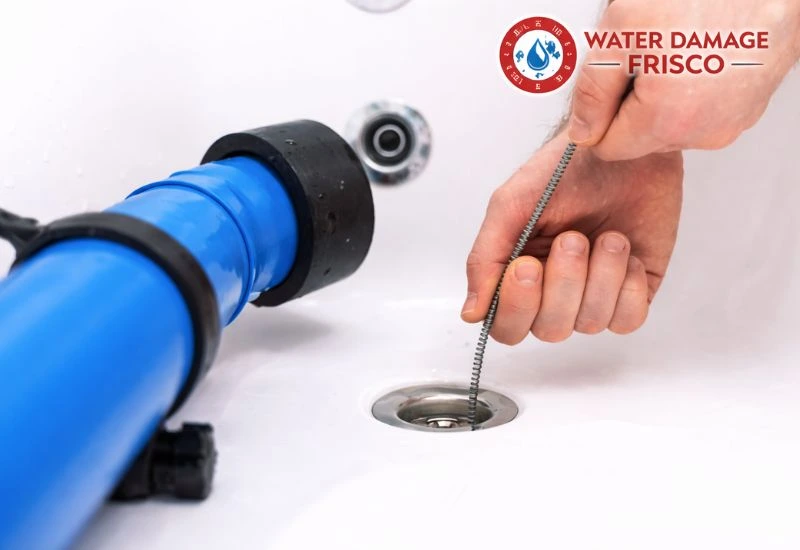
If the overflow drain is clear but water still rises slowly, the main drain is partially blocked. Use a drain snake or zip-it tool to clear hair clogs from the drain.
Step 6 — Look for water damage signs.
Check the ceiling of the room directly below the bathroom. Water stains, bubbling paint, or soft drywall indicate that water has already passed through the subfloor. This requires professional water damage restoration.
Step 7 — Contact your insurance company if damage is extensive.
Document the damage with photos and videos before cleaning up. Most homeowners insurance covers sudden and accidental water damage from plumbing overflow.
Part 3: Overflowing Toilet | The Most Hazardous Overflow
An overflowing toilet is not just a mess, it is a serious health hazard. Toilet water contains bacteria, viruses, and pathogens that can cause illness. Unlike a sink or tub overflow, toilet overflow water is categorized by restoration professionals as Category 2 or Category 3 water (gray or black water), which requires careful disinfection and protective equipment to clean safely.
What Causes a Toilet to Overflow?
1. Clogged or Blocked Drain
A clog is the most common cause of toilet overflow. When the drain is fully or partially blocked, water flushed into the bowl has nowhere to go and rises over the rim. Common clog culprits include excessive toilet paper, wet wipes (even those labeled ‘flushable’), feminine hygiene products, cotton balls, dental floss, and children’s toys. The clog may be in the toilet trap, further down the drain pipe, or even in the main sewer line. in which case multiple fixtures may overflow simultaneously.
2. Faulty Fill Valve (Float Valve)
Inside your toilet tank sits a fill valve, also called a float valve. This component controls the water level in the tank and tells the water supply to stop once the tank is full. When the fill valve fails or is set incorrectly, the water level in the tank rises past the overflow tube and continuously drains into the bowl. If the bowl drain is even slightly restricted, this constant inflow can cause the bowl to overflow.
Note: You can visually check if your fill valve is the issue by removing the tank lid. If water is running into the tall overflow tube in the center of the tank, the fill valve needs adjustment or replacement, a simple DIY fix that costs under $15.
3. Blocked Vent Pipe
Every toilet in your home connects to a vent pipe that runs through the roof. This pipe serves a critical function: it replaces the air displaced with each flush, allowing water to flow freely down the drain. When the vent pipe is blocked — by leaves, a bird nest, or other debris, your toilet loses the air pressure needed to flush properly. You may hear a gurgling sound after flushing, slow draining, or repeated overflows even with no visible clog. A blocked vent pipe requires a licensed plumber with a roof-safe inspection process.
4. Main Sewer Line Blockage
If your toilet, sink, and bathtub all seem to be backing up at once, the problem is likely not in any individual fixture, it is in your main sewer line. Tree root intrusion, pipe corrosion, or a buildup of grease and debris in the sewer line can block all drain flow simultaneously. This is a plumbing emergency that requires immediate professional attention.
How to Stop an Overflowing Toilet — Step by Step
Health warning: Put on rubber gloves before touching anything. Toilet overflow water contains harmful bacteria. Avoid skin contact and wash hands thoroughly after the cleanup.
Step 1 — Stop water from entering the bowl immediately.
Remove the toilet tank lid and press the flapper (the rubber seal at the bottom of the tank) firmly down with your hand. This stops water from flowing from the tank into the bowl and gives you time to take the next steps.
Step 2 — Shut off the toilet water supply valve.
Locate the shut-off valve on the wall behind and below the toilet. Turn it clockwise until it stops. This cuts the water supply completely. If the valve is corroded and will not turn, shut off the main water supply to the house.
Step 3 — Do not flush again.
Flushing again will add more water to an already blocked bowl and worsen the overflow. Resist the urge, even if the bowl looks like it is draining.
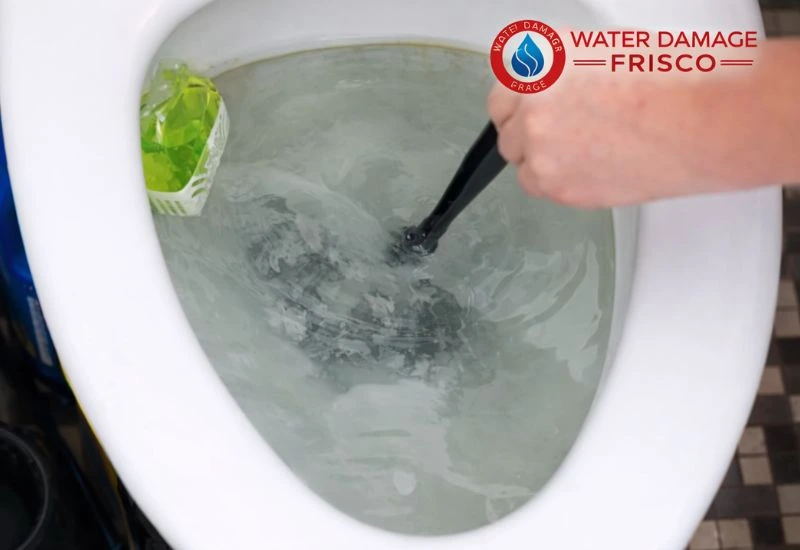
Step 4 — Clear the clog with a toilet plunger (flange plunger).
Use a flange plunger, not a cup plunger. The flange extension fits into the toilet drain opening to create a proper seal. Insert it into the bowl, ensure the rubber is fully submerged in water, and pump firmly 15-20 times. Pull up sharply on the final stroke. Repeat 2-3 times if needed.
Step 5 — Use a toilet auger for stubborn clogs.
A toilet auger (also called a closet auger) is a flexible cable tool specifically designed for toilets. Insert the curved end into the drain opening, then crank the handle clockwise while feeding the cable into the drain. This breaks up or retrieves clogs that a plunger cannot reach. Unlike a standard drain snake, a toilet auger will not scratch the porcelain.
Step 6 — Check the fill valve if there is no visible clog.
With the tank lid removed, observe the water level. If it is rising above the overflow tube, gently bend the float arm downward (on older ball-float systems) or adjust the fill valve’s adjustment screw or clip (on newer systems) to lower the water level by approximately half an inch.
Step 7 — Disinfect the area thoroughly.
Once the overflow is stopped, mop up all water with absorbent towels or a wet/dry vacuum. Disinfect all affected surfaces, floor, base of the toilet, and any items splashed, with a bleach solution (1 cup bleach per gallon of water) or a commercial disinfectant.
Step 8 — Inspect for hidden water damage.
Water from a toilet overflow soaks into grout lines, under baseboards, and into subfloor material within minutes. Press on the flooring near the toilet to check for soft spots. A musty odor within 24-48 hours indicates mold growth has already begun.
Part 4: Maintenance Tips to Prevent Future Overflows
The best way to deal with a plumbing overflow is to prevent one from happening in the first place. These maintenance habits, practiced consistently, will significantly reduce your risk:
For Sinks
- Clean sink overflow holes monthly using a small bottle brush, remove soap and mineral buildup that can block the opening
- Pour boiling water down sink drains weekly to dissolve grease and soap residue before it hardens
- Use a hair catcher strainer in bathroom sinks, empty it after every shower or bath
- Never pour cooking grease, coffee grounds, or starchy foods (pasta, rice) down a kitchen sink drain
- Run cold water for 30 seconds before and after using a garbage disposal to flush debris fully through the pipe
For Bathtubs
- Inspect the overflow drain gasket every 6 months, replace if the rubber is cracked, compressed, or flattened
- Clean the overflow drain opening monthly with a small brush to remove hair and soap buildup
- Test the overflow drain by filling the tub close to the overflow opening, water should be redirected cleanly without spilling over the tub edge
- Never leave a running bathtub unattended, especially with children or elderly individuals in the home
- Have a licensed plumber inspect the overflow tube connection every 2-3 years, particularly in homes over 20 years old
For Toilets
- Only flush toilet paper,never flush wet wipes (even ‘flushable’ ones), cotton products, feminine hygiene items, or paper towels
- Check the fill valve water level every 3 months, it should sit at least 1 inch below the top of the overflow tube
- Listen for a running toilet sound after flushing, a toilet that continues to run for more than 60 seconds likely has a worn flapper or faulty fill valve
- Have your main sewer line inspected with a camera every 5 years if your home has mature trees nearby, tree root intrusion is a leading cause of sewer line blockage
- Keep a toilet plunger and toilet auger accessible in every bathroom, these tools are essential for rapid response
Frequently Asked Questions (FAQ)
How quickly can water damage develop after a plumbing overflow?
Water damage begins immediately. Within minutes, water saturates drywall, flooring, and insulation. Mold can begin growing within 24 to 48 hours in damp conditions. This is why rapid response, and professional drying, is critical after any significant overflow.
Does homeowners insurance cover an overflowing sink, tub, or toilet?
In most cases, yes, if the overflow was sudden and accidental. Standard homeowners insurance typically covers water damage from a sudden plumbing overflow. However, damage caused by long-term neglect or a gradual leak is usually excluded. Always photograph the damage and call your insurance company before beginning cleanup.
Is it safe to use my bathroom after a toilet overflow?
Not until the area has been fully disinfected. Toilet overflow water may contain harmful bacteria and viruses. All surfaces that came into contact with overflow water,including the floor, baseboards, and toilet exterior, must be cleaned with an appropriate disinfectant before the bathroom is safe to use.
When should I call a water damage restoration company instead of cleaning up myself?
Call a professional if: water has spread beyond a single room, you see water stains on ceilings or walls, the floor feels soft or spongy, or the overflow came from toilet water. Professional restoration companies use industrial dehumidifiers and moisture meters to ensure complete drying, preventing mold that is invisible to the naked eye.
How much does it cost to repair water damage from a plumbing overflow in Frisco, TX?
Costs vary depending on the extent of the damage. Minor cleanup from a small sink overflow may cost a few hundred dollars. Extensive water damage affecting subfloor, drywall, and insulation can range from $1,500 to $10,000 or more. Acting quickly reduces the total damage and restoration cost significantly.
Water Damage Frisco — Professional Overflow Cleanup in Frisco, TX
When a plumbing overflow strikes, every minute of delay increases the damage. Water Damage Frisco provides 24/7 emergency water damage restoration throughout Frisco and surrounding areas. Our certified technicians arrive within 60 minutes equipped with industrial extraction equipment, commercial dehumidifiers, and moisture mapping technology to restore your property fully and quickly at the standard of IICRC.
Our services include:
- Emergency water extraction, sink, tub, and toilet overflow cleanup
- Structural drying with commercial-grade dehumidifiers and air movers
- Moisture mapping to locate water hidden inside walls and under floors
- Mold prevention treatment and remediation
- Sewage water cleanup and disinfection
- Full water damage restoration and reconstruction
Water Damage Frisco
5000 Preston Rd, Suite 200, Frisco, TX 75034
Phone: +1 (945) 297-3238
Website: https://waterdamagefrisco.org/
Available 24 hours a day, 7 days a week, 365 days a year.