
Hurricane Flood Insurance Guide: What Homeowners Must Know Before the Next Storm
Hurricanes are among the most destructive natural disasters affecting homes across the United States. While powerful winds can damage roofs and windows, the most expensive losses often come from flooding caused by storm surge and heavy rainfall.
Unfortunately, many homeowners assume their standard home insurance policy will cover all hurricane-related damage. In reality, most policies do not cover flooding.
Understanding the difference between hurricane wind damage and flood damage coverage is essential for protecting your property and finances.
This guide explains how flood insurance works during hurricanes, what it covers, policy limits, exclusions, and how homeowners can prepare before the next storm.
Why Flood Insurance Is Critical During Hurricanes
Hurricanes bring multiple types of water damage risks:
- Storm surge from the ocean
- Heavy rainfall flooding
- Overflowing rivers and drainage systems
- Coastal tidal flooding
Standard homeowners insurance usually covers wind damage, but flooding caused by rising water requires a separate flood insurance policy.
Most flood insurance policies in the United States are offered through the
National Flood Insurance Program, which is managed by
Federal Emergency Management Agency.
These programs help homeowners recover financially after flood disasters.
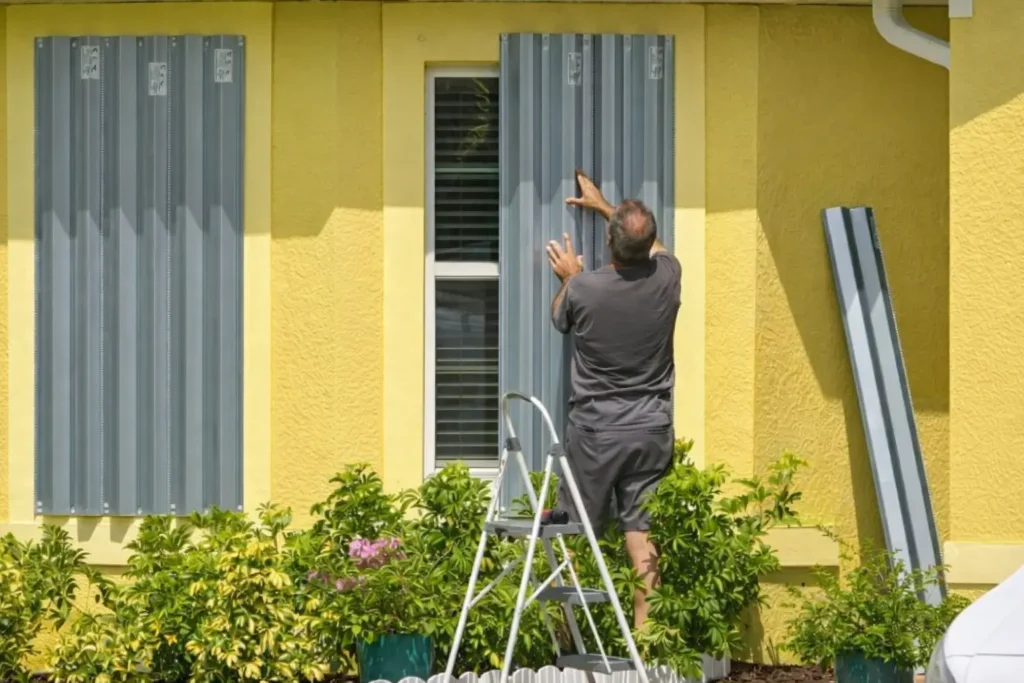
Hurricane Damage vs Flood Damage (Important Difference)
Insurance companies classify water damage based on how the water entered your home.
| Damage Type | Insurance Coverage |
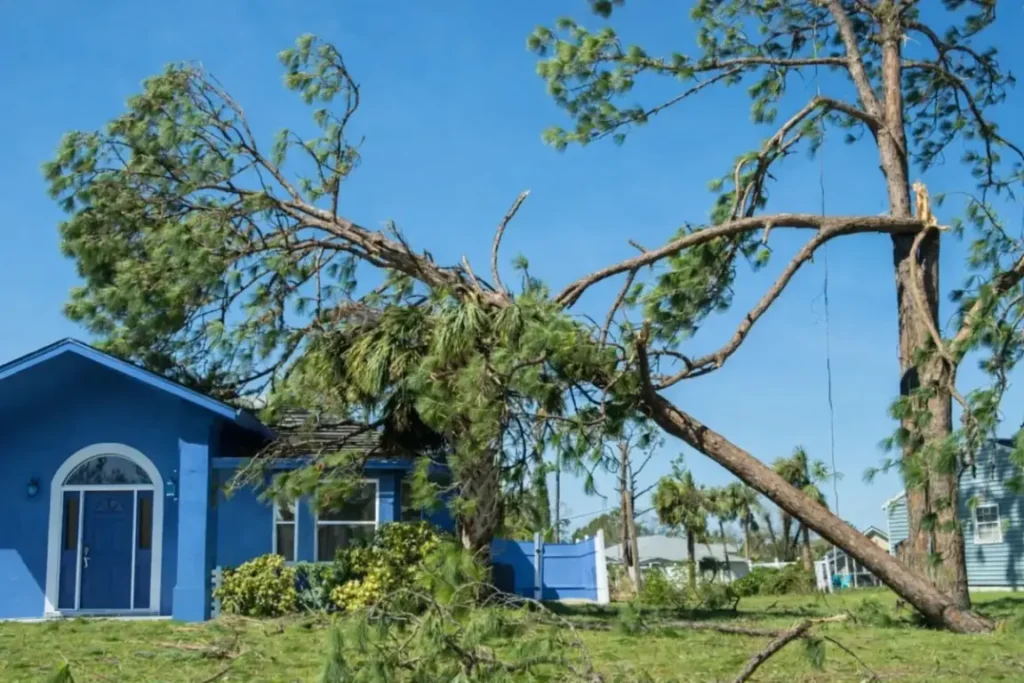
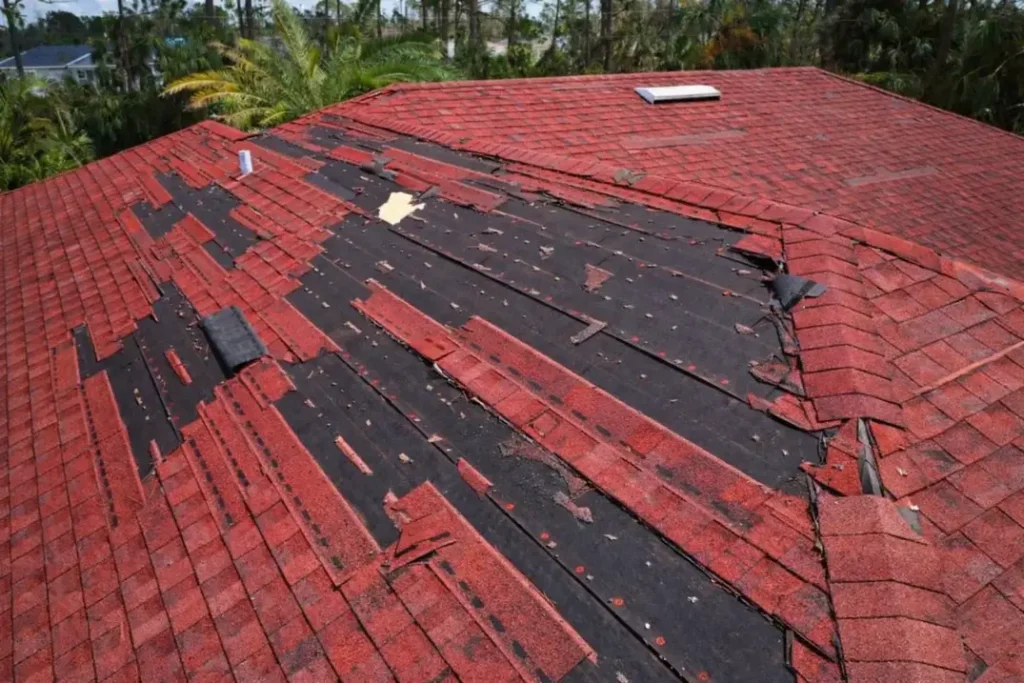
| Wind damages roof | Homeowners insurance |
| Rain enters through damaged roof | Homeowners insurance |
| Storm surge flooding | Flood insurance |
| River flooding | Flood insurance |
This distinction becomes extremely important when filing insurance claims after a hurricane.
Many claim denials occur because homeowners do not have flood insurance coverage.
What Flood Insurance Covers During a Hurricane
Flood insurance policies typically include two major types of protection.
1. Building Coverage
Building coverage protects the physical structure of your home.
This includes:
- Foundation walls
- Electrical systems
- Plumbing systems
- HVAC systems
- Water heaters
- Permanently installed flooring
- Built-in appliances
Under policies from the
National Flood Insurance Program, homeowners can receive up to $250,000 in structural coverage.
Private insurers may offer higher coverage limits depending on the property value.
2. Personal Property Coverage
This coverage protects belongings inside your home.
Covered items often include:
- Furniture
- Clothing
- Electronics
- Portable appliances
- Rugs and curtains
NFIP policies usually provide up to $100,000 in personal property coverage.
However, certain high-value items may require additional insurance riders.
What Flood Insurance Does NOT Cover
Flood insurance has several important limitations.
Common exclusions include:
- Landscaping damage
- Swimming pools and decks
- Cars and vehicles
- Outdoor furniture
- Temporary housing costs
- Precious metals and cash
Basements also have limited coverage. Items stored below ground level may not be fully insured.
Understanding these exclusions helps homeowners avoid unexpected claim denials.

The 30-Day Waiting Period Rule
One of the most important rules in flood insurance is the 30-day waiting period.
Most flood insurance policies do not become active immediately after purchase. Coverage usually begins 30 days after the policy start date.
This rule prevents people from buying insurance only when a hurricane is already approaching.
Because of this delay, experts recommend buying flood insurance well before hurricane season begins.
Do Homes Outside Flood Zones Need Flood Insurance?
Many homeowners believe flooding only occurs in designated flood zones.
However, flooding can happen almost anywhere due to:
- Intense rainfall
- Poor urban drainage
- Flash flooding
- Storm surge from hurricanes
According to data from the
Federal Emergency Management Agency, a significant percentage of flood insurance claims come from properties outside high-risk flood zones.
Even homes in moderate-risk areas can experience severe flood damage.
Private Flood Insurance vs NFIP Coverage
Homeowners today have two main flood insurance options.
NFIP Flood Insurance
Provided through the
National Flood Insurance Program.
Advantages:
- Government backed
- Widely available
- Standardized policies
Limitations:
- Coverage limits may be lower
- Fewer customization options
Private Flood Insurance
Private insurance companies offer alternative flood policies.
Advantages:
- Higher coverage limits
- Additional living expense coverage
- Flexible policy options
Limitations:
- Premiums may vary based on risk
- Not available in all areas
How to Prepare Your Home Before Hurricane Season
Preparing your home can significantly reduce flood damage.
Recommended steps include:
Review Your Insurance Policies
Check whether your homeowners policy covers wind damage and whether you have flood insurance.
Check Flood Risk Maps
Use FEMA flood maps to determine your property’s flood risk level.
Document Your Property
Take photos of valuable belongings and keep receipts. This helps support insurance claims.
Improve Drainage Around Your Home
Install sump pumps, maintain gutters, and improve landscaping drainage to reduce water buildup.
Purchase Insurance Early
Because of the waiting period, buying coverage months before hurricane season is ideal.
What to Do After Hurricane Flooding
If your home experiences flooding during a hurricane:
- Document all damage with photos and videos
- Contact your insurance provider immediately
- Remove standing water if safe
- Keep receipts for emergency repairs
- Work with the insurance adjuster during inspection
Proper documentation significantly increases the chances of receiving a fair insurance payout.
Hurricane Storm Surge vs Inland Flooding
Hurricanes cause flooding in two primary ways:
Storm Surge
Storm surge occurs when powerful hurricane winds push ocean water inland.
This type of flooding can quickly inundate coastal homes and destroy foundations.
According to the
National Oceanic and Atmospheric Administration, storm surge is responsible for nearly half of all hurricane fatalities.
Inland Flooding
Heavy rainfall during hurricanes can cause rivers and drainage systems to overflow.
Even homes located far from the coast can suffer severe flood damage.
Health Risks After Hurricane Flooding
Flood damage is not only structural, it also creates serious health risks.
Standing water can lead to:
- mold growth
- bacterial contamination
- indoor air quality problems
Exposure to mold spores can cause respiratory problems and allergic reactions associated with
Mold Exposure.
Professional water damage restoration is often required to prevent long-term contamination.
Hurricane Insurance Claim Mistakes Homeowners Make
Many insurance claims are delayed or denied due to common mistakes.
1. Waiting Too Long to File a Claim
Insurance companies expect homeowners to report damage quickly.
2. Poor Documentation
Always photograph flood damage before starting cleanup.
3. Throwing Away Damaged Items
Adjusters often need to inspect damaged property before approving claims.
4. Not Understanding Policy Limits
Many homeowners underestimate the true cost of flood damage.
Cost of Flood Damage After Hurricanes
Flood damage can become extremely expensive.
Average repair costs may include:
| Damage Type | Estimated Cost |
| Minor flooding | $15,000 |
| Moderate flooding | $30,000 – $60,000 |
| Severe flooding | $100,000+ |
Historic disasters such as
Hurricane Katrina demonstrated how devastating flood losses can be for homeowners without insurance.
Hurricane Flood Insurance vs Disaster Assistance
Some homeowners believe government disaster aid will cover their losses.
However, disaster assistance is typically limited and not guaranteed.
Programs administered by the
Federal Emergency Management Agency often provide loans rather than full compensation.
Flood insurance remains the most reliable financial protection.
Final Thoughts
Hurricanes are unpredictable, but homeowners can still protect themselves financially.
Understanding the difference between wind damage and flood damage coverage is critical.
Flood insurance provides an essential layer of protection that standard homeowners insurance does not offer.
By purchasing coverage early and preparing your home before hurricane season, homeowners can minimize financial losses and recover faster after severe storms.
FAQs
Does homeowners insurance cover hurricane flooding?
No. Most homeowners insurance policies exclude flooding caused by storm surge or rising water.
How much flood insurance coverage can homeowners get?
NFIP policies usually provide up to $250,000 for building coverage and $100,000 for personal belongings.
How long does flood insurance take to activate?
Most policies have a 30-day waiting period before coverage begins.
Is flood insurance required for hurricane areas?
Some mortgage lenders require it in high-risk flood zones.
Can homes outside flood zones flood?
Yes. Flooding can occur due to heavy rainfall, drainage failures, or storm surge.
What damages are covered by flood insurance?
Structural damage, electrical systems, plumbing, appliances, and personal belongings may be covered.
Does flood insurance cover mold damage?
It may cover mold if it results directly from flood damage.
Are cars covered by flood insurance?
No. Flooded vehicles are usually covered under auto insurance.
Can renters buy flood insurance?
Yes. Renters can purchase contents-only flood insurance policies.
When should homeowners buy flood insurance?
Experts recommend purchasing it well before hurricane season begins.
Does Flood Insurance Cover Hurricane Damage?
Flood insurance covers water damage caused by rising water, including storm surge and flooding from hurricanes. However, standard homeowners insurance typically covers wind damage, not flood damage. Homeowners in hurricane-prone areas often need both homeowners insurance and flood insurance for full protection.