How to Dry Hardwood Floors After Water Damage Frisco TX
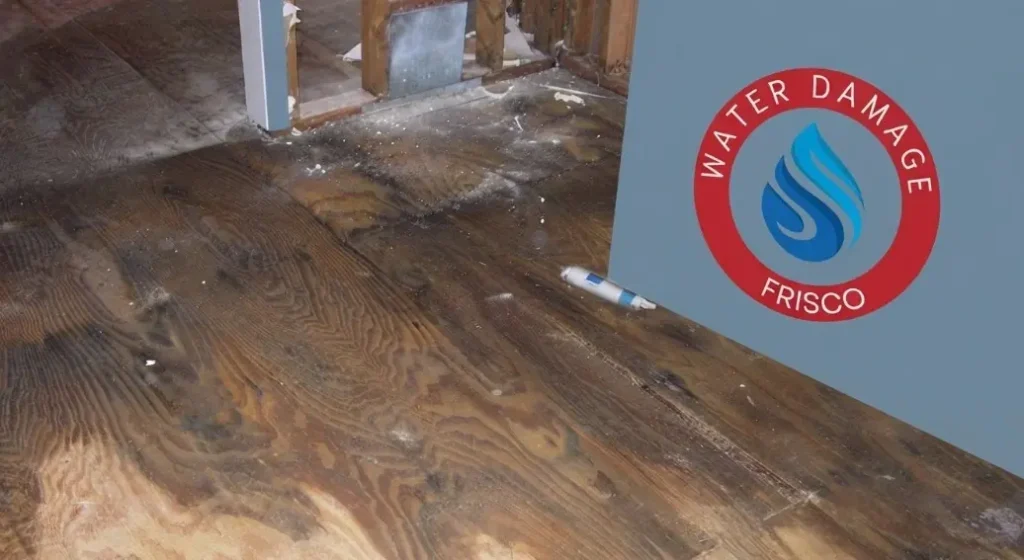
A burst pipe, overflowing appliance, or storm flooding can leave hardwood floors cupping, buckling, or staining within hours. Here’s exactly how professionals dry — and often save — a wet hardwood floor, and how to tell if yours can still be rescued.
📞 Call (945) 297-3238 — 60-Min Response
Wood Floors and Water Don’t Mix — But Speed Changes the Outcome
Hardwood is one of the most vulnerable materials in a water damage event because wood absorbs moisture through both its surface and its edges. The good news: a floor that’s dried quickly and correctly — usually within the first 24 to 48 hours — has a real chance of being saved instead of replaced.
According to the EPA’s mold cleanup guidance, materials that stay wet for more than 24-48 hours are at significantly higher risk of mold colonization — which is exactly why the drying timeline on a hardwood floor matters as much as the drying method itself.
What Happens to Hardwood When It Gets Wet
Understanding the stages helps you know how urgent your situation is:
Surface Moisture & Early Swelling
Wood begins absorbing surface moisture. Boards may feel slightly raised at the edges. This stage has the highest save-rate if extraction and drying begin immediately.
Cupping Begins
Board edges rise higher than the centers as the wood swells unevenly. This is still often reversible with professional structural drying, but the window is closing.
Buckling & Delamination
Boards separate from the subfloor and pull away from each other. At this stage, replacement is usually more realistic than drying and refinishing.
Mold Growth Underneath
Because hardwood is often installed over a subfloor with little airflow, hidden mold can develop even when the surface looks dry. CDC guidance on mold exposure notes that hidden mold growth is a common source of ongoing indoor air quality problems after water events.
How Professionals Dry (and Try to Save) a Hardwood Floor
Water Extraction First
Any standing water is removed immediately with truck-mounted extractors. Every additional hour of standing water pushes moisture deeper into the wood grain and subfloor.
Moisture Mapping
Technicians use moisture meters and thermal imaging to measure exactly how much water the wood and subfloor have absorbed — this determines whether the floor is a save candidate.
Injectidry / Floor Drying Mats
Specialized drying mats create negative pressure that pulls moisture up through the seams of the hardwood and out of the subfloor beneath it — the single most important tool for saving a wet floor.
Industrial Dehumidification
Low-grain refrigerant (LGR) dehumidifiers pull moisture out of the air itself, preventing the wood from reabsorbing the humidity being pulled out of it by the drying mats.
Daily Moisture Monitoring
Moisture content is measured daily until the wood returns to a safe, stable range. Stopping too early is the most common reason a “saved” floor develops problems weeks later.
Equipment Used
Floor Drying Mats
Pull moisture from under the boards
LGR Dehumidifiers
Industrial-grade air drying
Moisture Meters
Daily wood-moisture readings
Truck-Mounted Extractors
Remove standing water fast
Thermal Imaging
Find moisture hidden below the surface
Can Your Hardwood Floor Be Saved? A Quick Reference
| Sign | Likely Outcome |
|---|---|
| Wet within last 24 hours, no visible cupping | Good chance of a full save |
| Mild cupping, boards still flat and secure | Possible save with fast professional drying |
| Visible buckling or boards lifting off subfloor | Replacement usually required |
| Musty odor or dark spots on/under boards | Mold inspection needed before any drying attempt |
| Water sat for 3+ days before discovery | High risk of subfloor damage & mold |
Every floor is different — species of wood, finish, installation method, and how long it sat wet all affect whether drying alone is enough, or whether sanding/refinishing or replacement is needed. A same-day moisture assessment is the only way to know for certain.
Related Reading
Frequently Asked Questions
It depends on how long the floor was wet and how far the water penetrated. Floors dried within 24-48 hours with professional equipment are often fully saved. Floors that sat wet for several days, or that show buckling or delamination, usually need partial or full replacement.
A household dehumidifier can help with general room humidity, but it can’t pull moisture out from under the boards the way professional floor drying mats and industrial LGR dehumidifiers can. Relying on a home unit alone often lets moisture sit under the floor long enough to cause mold or subfloor damage.
Most hardwood floor drying projects take 3 to 7 days, depending on the wood species, subfloor type, and how much moisture was absorbed before drying began. Daily moisture readings determine exactly when it’s safe to stop.
Often yes. Removing baseboards allows drying equipment and airflow to reach the subfloor edges and wall cavities where hidden moisture commonly collects — this is a standard step in professional structural drying.
Most policies cover sudden, accidental water damage such as a burst pipe, including damage to flooring. Gradual leaks or long-term neglect are often excluded. We document all moisture readings and provide reports that support your insurance claim.
Need help right now? See our full guide to water damage restoration in Frisco, TX for emergency response, services, and coverage across the city.